
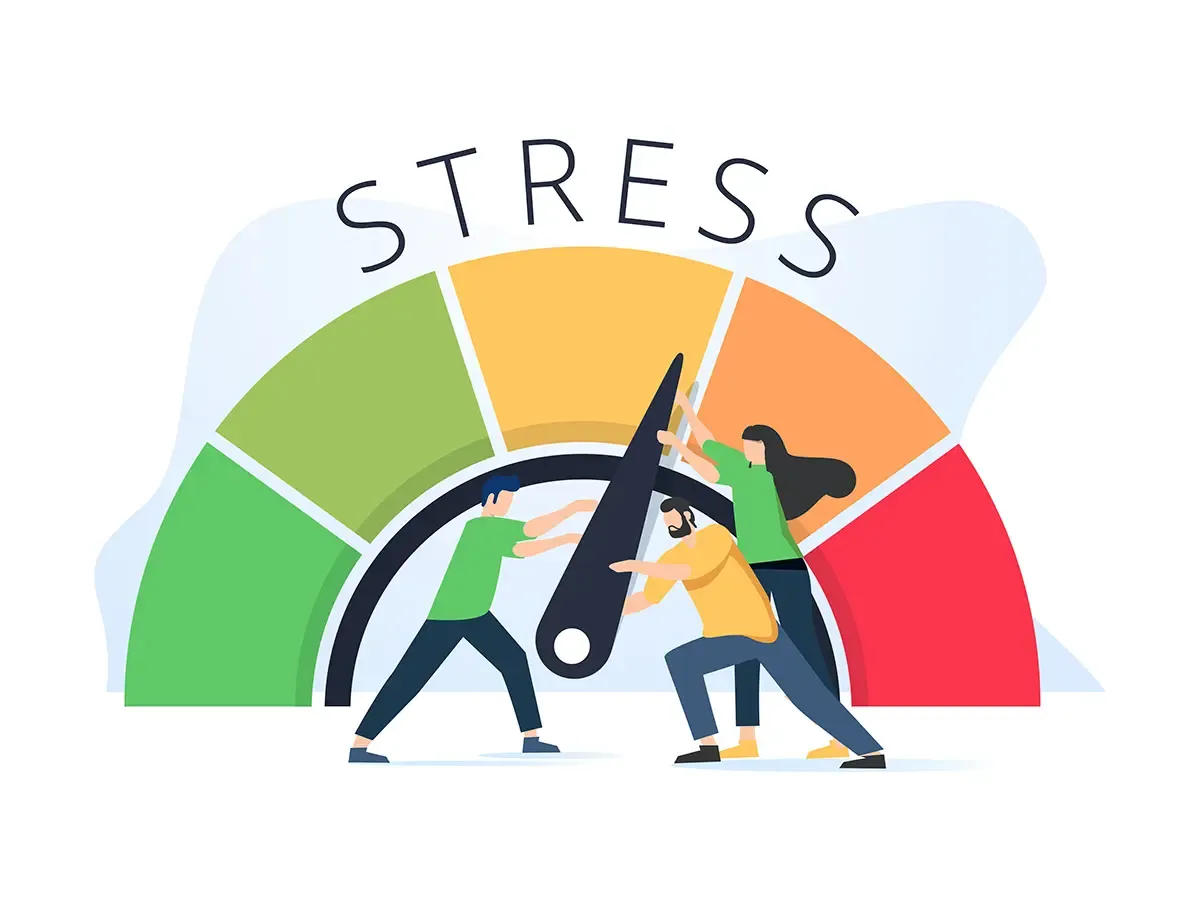
How Does Stress Impact Your Mouth and Oral Health?
Psychological tension rarely stays confined to your mind. It travels throughout the body, frequently settling in the complex musculature of the jaw and mouth.
Teeth Grinding and Jaw Clenching
Stress and teeth grinding, clinically known as bruxism, share a very close relationship. Many individuals unconsciously grind their teeth or clench their jaws during sleep as a physical outlet for daily anxiety. Over time, this intense pressure damages the structural integrity of the teeth.
Increased Risk of TMJ Symptoms
The temporomandibular joint connects your jawbone to your skull. Constant clenching places excessive strain on this joint. Consequently, patients often develop severe TMJ symptoms, including difficulty chewing, clicking sounds when opening the mouth, and persistent facial pain.
Dry Mouth and Neglected Hygiene
High anxiety levels frequently cause dry mouth by reducing saliva production. Saliva plays a critical role in washing away food particles and neutralizing harmful oral acids. Furthermore, individuals experiencing heavy mental burdens often skip their standard brushing and flossing routines, creating an ideal environment for cavities to form.
What Are the Warning Signs of Stress-Related Dental Issues?
Identifying the physical symptoms of anxiety early allows you to seek preventative dental care before permanent damage occurs.
Morning Headaches and Jaw Soreness
Waking up with a dull, aching headache or intense jaw soreness strongly indicates nighttime bruxism. Because the jaw muscles remain active all night, they feel completely exhausted by morning.
Chipped and Sensitive Teeth
The sheer force of clenching can easily fracture tooth structures. You might notice small chips along the biting edges of your teeth. Additionally, as the protective outer layer wears down, the underlying dentin becomes exposed. This exposure causes heightened sensitivity to hot and cold temperatures.
Worn Tooth Enamel
Dentists frequently spot the signs of stress and oral health decline through flattened or severely worn tooth surfaces. Without its thick enamel coating, the tooth becomes highly susceptible to decay and bacterial infection.
Is There a Connection Between Stress and Gum Disease?
Psychological tension actively compromises your body's natural defenses, creating a direct pathway to periodontal issues.
Increased Inflammation and Weakened Immunity
Elevated stress hormones naturally increase systemic inflammation throughout the entire body, including the gum tissues. At the same time, chronic anxiety suppresses the immune system. Your body loses its ability to effectively fight off the harmful bacteria responsible for plaque accumulation.
Greater Risk of Periodontal Issues
With a weakened immune response and higher inflammation, minor gingivitis can rapidly progress into severe periodontal disease. This advanced stage of gum disease leads to tissue recession, bone loss, and eventual tooth loss if left untreated.
How Can You Protect Your Smile During Stressful Times?
Maintaining excellent oral health during difficult periods requires a combination of home care and professional dental strategies.
Utilize Custom Nightguards
Choose a custom-fitted nightguard from your dentist if nighttime grinding causes morning pain. While over-the-counter options exist, a professionally molded appliance offers superior comfort, exact fit, and maximum protection against enamel wear.
Practice Relaxation and Hydration
Engaging in regular relaxation techniques, such as deep breathing or physical therapy, helps loosen tight jaw muscles. Drinking plenty of water throughout the day combats dry mouth and helps flush away dangerous bacteria.
Maintain Regular Dental Checkups
Routine examinations allow your dental team to catch minor stress-related changes before they require extensive restorative procedures. Preventative care remains the most reliable strategy for long-term dental success.
How Can El Cerro Dental Treat Stress-Related Damage?
Finding a reliable dentist in Danville CA ensures you receive the personalized attention necessary to treat complex bruxism and TMJ disorders.
At El Cerro Dental, our dedicated team utilizes advanced technology to perform thorough evaluations of your bite, jaw joints, and enamel wear. We believe in providing gentle, welcoming care that addresses the root cause of your discomfort. From fabricating precision nightguards to offering targeted therapies for jaw pain, we design a personalized treatment plan to restore your oral health and protect your beautiful smile for years to come.
Prioritizing Your Dental Wellness Today
Protecting your teeth requires paying close attention to the physical signals your body sends during difficult times. By addressing anxiety and partnering with a trusted dental professional, you can stop the cycle of bruxism and gum inflammation. Reach out to a qualified dental provider to evaluate your jaw health and discuss a preventative care plan tailored to your specific needs.
FAQ Section
Can stress really damage my teeth?
Yes. High anxiety causes involuntary behaviors like clenching and grinding, which apply immense pressure to teeth. This physical force chips enamel, fractures teeth, and leads to long-term structural damage.
What are the symptoms of teeth grinding?
Common indicators of teeth grinding include waking up with dull headaches, experiencing facial or jaw muscle soreness, noticing flattened tooth edges, and feeling sudden sensitivity to hot or cold foods.
Do I need a nightguard?
You should get a custom nightguard if you frequently wake up with jaw pain, tension headaches, or if your dentist notices signs of excessive enamel wear. A nightguard acts as a physical barrier that absorbs grinding forces while you sleep.
Can stress cause gum disease?
While stress does not directly create gum disease bacteria, it weakens the immune system and increases bodily inflammation. This compromised state makes it significantly harder for your gums to fight off bacterial infections, accelerating periodontal disease.
How do dentists treat jaw pain?
Dentists treat jaw pain by fabricating custom oral appliances to prevent nighttime clenching, adjusting the bite to ensure proper tooth alignment, and recommending specific muscle relaxation exercises to relieve TMJ tension.