

TL;DR: Your mouth serves as a window into your general well-being, often displaying the earliest signs of systemic conditions like diabetes, heart disease, and respiratory infections. By identifying oral symptoms such as bleeding gums, chronic bad breath, and dry mouth, routine dental exams play a critical role in early disease detection and maintaining both oral health and overall health.
You might visit the dentist expecting a standard check on your teeth and gums, but those routine appointments actually evaluate much more. Your dentist is often one of the first healthcare professionals to notice signs of broader medical concerns. The human body is a deeply interconnected system, and the state of your mouth frequently mirrors what is happening elsewhere in your body.
Understanding the link between oral health and overall health can fundamentally change how you view your daily brushing routine and biannual dental visits. By paying attention to the subtle cues your body provides, you can take proactive steps to protect your smile and your long-term vitality.
How Are Oral Health and Systemic Health Connected?
The connection between your mouth and your body is powerful. Bacteria from the mouth can easily enter the bloodstream, potentially aggravating or even causing issues in other major organs. Here is how specific systemic conditions relate to your oral health.
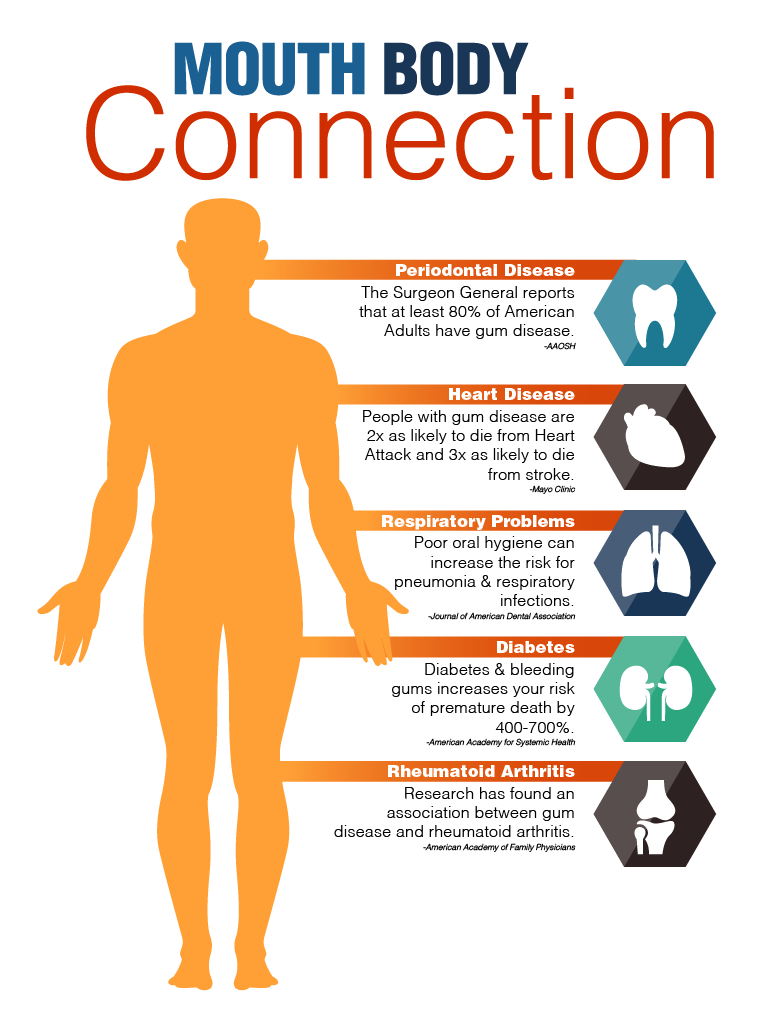 Can Gum Disease Affect Your Heart?
Research indicates a strong correlation between periodontal (gum) disease and cardiovascular issues. The bacteria responsible for severe gum infections can enter the bloodstream and attach to the fatty plaques in the blood vessels of the heart. This process contributes to clot formation and cardiovascular disease. People with untreated gum disease are at a higher risk of experiencing heart attacks and strokes.
How Does Diabetes Impact the Mouth?
Diabetes and gum disease have a two-way relationship. People with diabetes are more susceptible to severe gum infections because high blood sugar levels weaken the immune system's ability to fight off oral bacteria. Conversely, active gum disease can cause blood sugar levels to spike, making diabetes much harder to manage.
What Is the Link Between Oral Health and Respiratory Health?
Your mouth serves as the primary gateway to your respiratory tract. If harmful bacteria multiply in your oral cavity, they can be inhaled into the lungs. This aspiration of bacteria is known to cause respiratory infections, including pneumonia, especially in older adults or individuals with compromised immune systems.
How Does Oral Bacteria Trigger Systemic Inflammation?
Chronic inflammation is a recognized driver of numerous health problems, including arthritis and certain cancers. When you have untreated gum disease, your body remains in a constant state of low-grade inflammation. Treating the infection in your mouth helps lower the overall inflammatory burden on your immune system.
What Are the Common Signs of Disease in the Mouth?
Paying attention to changes in your oral cavity can help you catch potential health issues before they become severe. Here are several signs of disease in the mouth that warrant a professional evaluation.
Bleeding Gums
Gums that bleed easily during brushing or flossing are usually the first sign of gingivitis, the earliest stage of gum disease. However, persistent bleeding can also indicate vitamin deficiencies, hormonal imbalances, or underlying bleeding disorders.
Persistent Bad Breath
Occasional bad breath after a garlicky meal is normal, but persistent halitosis that does not improve with brushing may signal a deeper issue. Chronic bad breath can be a symptom of advanced gum disease, sinus infections, acid reflux, or metabolic conditions like diabetes.
Dry Mouth
Saliva is essential for washing away food particles and neutralizing harmful acids. A chronic lack of saliva, known as dry mouth (xerostomia), significantly increases the risk of tooth decay. Dry mouth is frequently a side effect of various medications, but it can also indicate systemic conditions like Sjögren's syndrome or diabetes.
Oral Sores
While minor canker sores usually heal on their own within a week, lesions that do not go away require immediate attention. Persistent oral sores, red or white patches, or unexplained lumps can be early indicators of oral cancer or viral infections.
Changes in Gum Tissue
Gums that appear pale, recede significantly, or pull away from the teeth are cause for concern. Pale gums can sometimes indicate anemia, while rapidly receding gums are a hallmark of aggressive periodontal disease.
Why Do Regular Dental Exams Matter for Overall Health?
A routine dental exam is a comprehensive health screening. Dentists are trained to look beyond the surface of your teeth to examine the soft tissues, jawbone, and throat. This thorough evaluation means your dentist can spot the early warning signs of systemic diseases, sometimes long before you experience symptoms elsewhere in your body. Early detection allows you to coordinate with your primary care physician, leading to faster diagnoses and more effective medical interventions.
What Is the Role of Preventive Care in Whole-Body Wellness?
Preventive care is the foundation of long-term health. Routine cleanings remove the hardened plaque (tartar) that brushing and flossing at home cannot eliminate. By keeping the bacterial load in your mouth under control, professional cleanings directly reduce your risk of localized infections and systemic inflammation. Combining daily oral hygiene with regular professional care is one of the most effective strategies for maintaining whole-body wellness.
When Should You Schedule a Dental Evaluation?
You should maintain a schedule of professional cleanings every six months. However, certain symptoms require immediate attention. You should schedule a dental evaluation promptly if you experience:
- Severe tooth or jaw pain
- Swelling in the face, gums, or neck
- Gums that bleed heavily or continuously
- Loose adult teeth
- Sores or lesions in the mouth that last longer than two weeks
Never ignore these symptoms, as they often point to active infections that require timely medical or dental intervention.
Why Do Danville Families Choose El Cerro Dental for Preventive Care?
Finding a trusted family dentist near me is essential for maintaining both oral and systemic health over a lifetime. El Cerro Dental provides exceptional preventive dentistry Danville residents rely on for comprehensive, patient-centered care.
Our team utilizes advanced technology and an empathetic approach to ensure every patient receives personalized dental care tailored to their unique needs. Whether you need a routine cleaning, advanced periodontal therapy, or guidance on improving your daily hygiene habits, El Cerro Dental is committed to protecting your smile and your overall well-being.
Frequently Asked Questions About Oral and Overall Health
Can gum disease affect my heart?
Yes. The bacteria that cause gum disease can enter your bloodstream and contribute to the formation of plaque in your arteries, increasing the risk of cardiovascular disease, heart attacks, and strokes.
Is there a connection between diabetes and oral health?
Yes. People with diabetes are more prone to developing severe gum disease due to compromised immunity. Furthermore, active gum infections can elevate blood sugar levels, making diabetes more difficult to control.
Why does my dentist ask about my medical history?
Your dentist asks about your medical history because many medical conditions and medications directly impact your oral health. Knowing your full health profile allows your dentist to provide safe, personalized care and identify systemic risks.
Can oral symptoms indicate health problems?
Absolutely. Symptoms like chronic bad breath, dry mouth, bleeding gums, and persistent sores can be early warning signs of systemic issues, including diabetes, vitamin deficiencies, autoimmune disorders, and oral cancer.
How often should I have a dental exam?
Most patients should have a comprehensive dental exam and professional cleaning every six months. However, individuals with active gum disease, diabetes, or a history of frequent cavities may require more frequent visits to maintain optimal health.